We're your people partner.

For nearly 40 years, MYgroup has partnered with organizations to strengthen leadership, clarify vision, and support people through everyday challenges and critical moments alike.

Today, that partnership comes to life through our people assistance programs (like our global EAP) and consulting work, helping organizations care for their people and build stronger, aligned, and more resilient teams.

Our Approach

Our Approach

Strengthening organizations from the inside out.

When an organization struggles, the symptoms are visible, but the root causes often run deeper. New initiatives, tactics, or benchmarks might create movement, but without addressing what’s happening beneath the surface, progress rarely lasts.

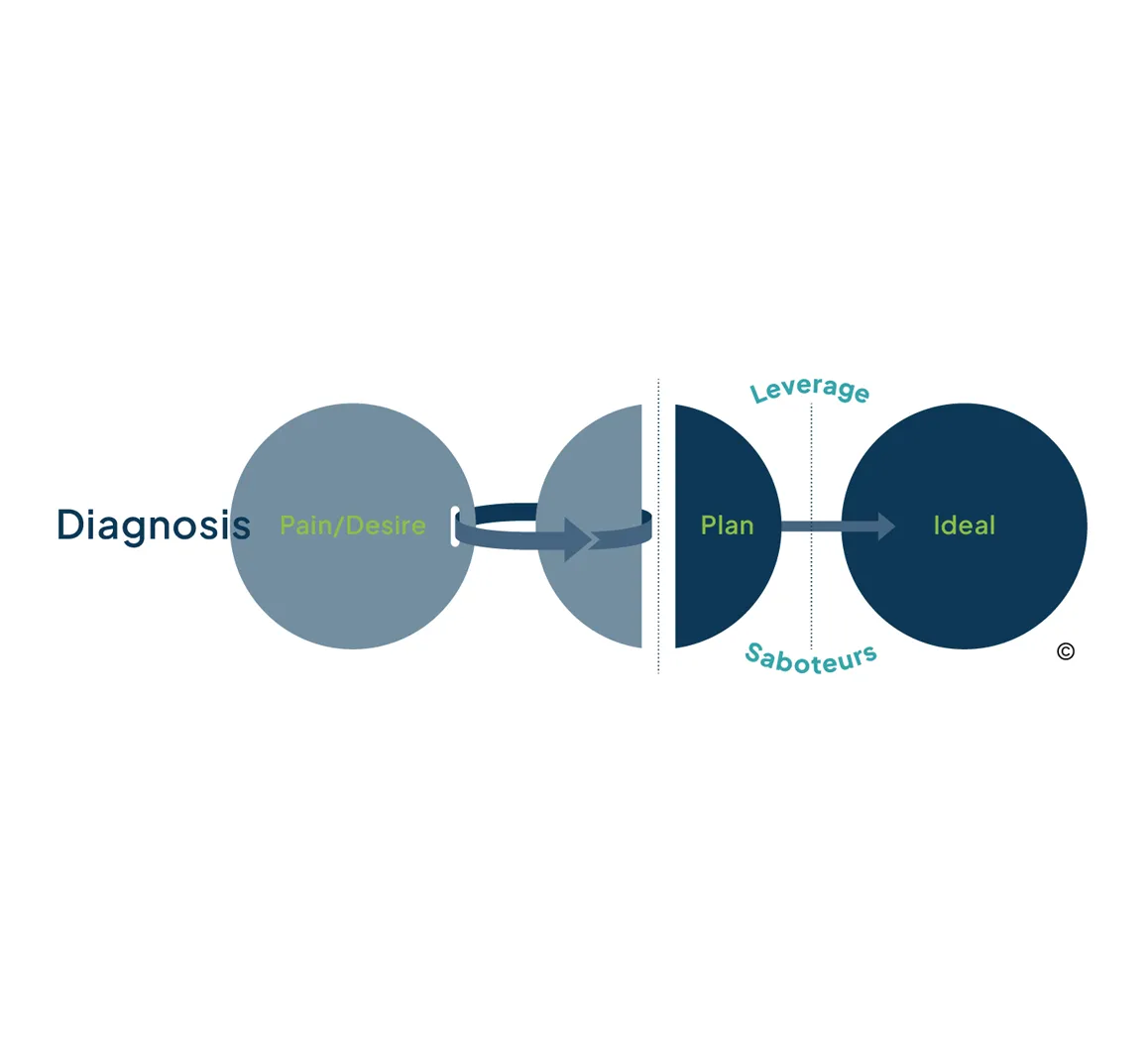
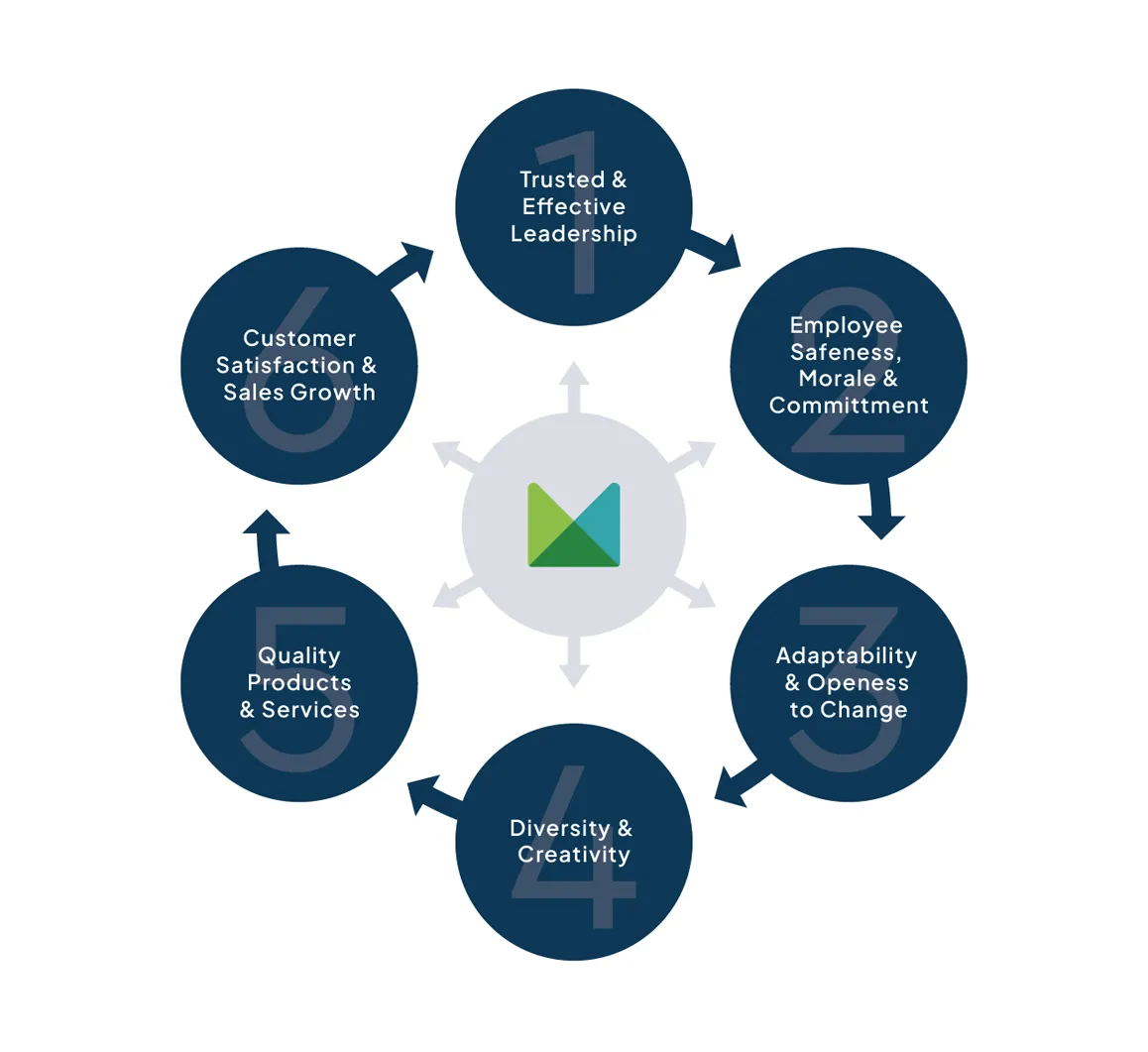
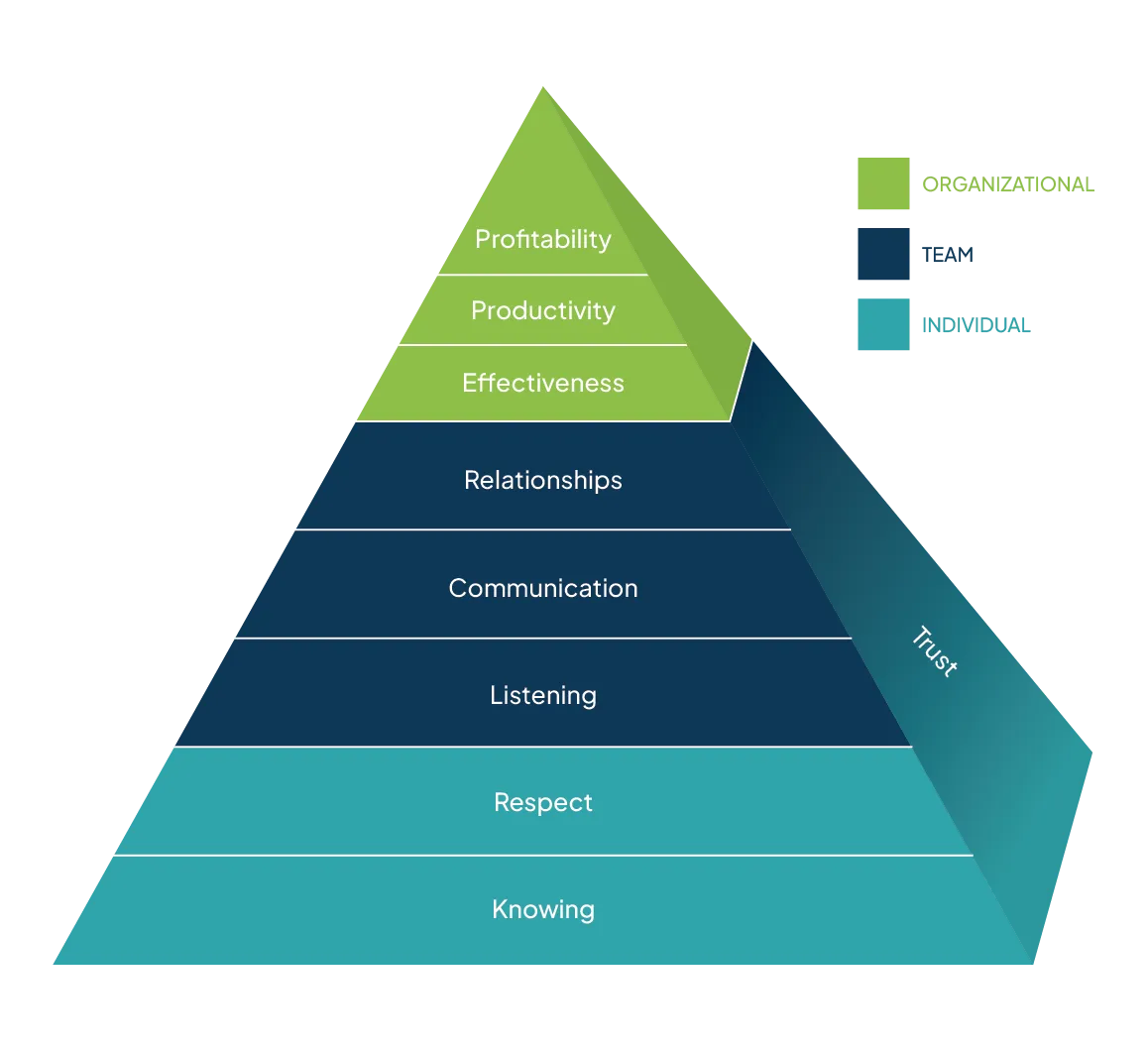
Our three models help leaders uncover what’s truly driving morale, alignment, and results—and provide a structured, human-centered path to improving each, thoughtfully and sustainably.
Our Story

Our Story

Nearly 40 years
of partnership.

MYgroup was founded in 1987 with a simple but powerful belief: that when people are genuinely supported, organizations thrive. That belief has guided every client relationship, every clinical interaction, and every engagement for nearly four decades.

Today, we serve businesses, educational institutions, government organizations, member associations, and healthcare systems of all sizes across the country. We’re proud to be the partner you and your people can rely on today, and for years to come.

Supervisor Orientation Test

Welcome to your Supervisor Orientation Test! There are a total of 12 questions and you need to get at least nine correct to receive a passing grade. You may refer back to the Supervisor Orientation training materials if you need a refresher.

Which statement most closely describes an EAP?

A supervisor is not allowed to dispense a disciplinary action while an employee is being seen by the EAP, even if performance problems are continuing.

EAPs can reduce the risk of lawsuits by helping troubled employees resolve personal problems before they face adverse actions such as termination that can lead to expensive legal challenges.

Many professionals in the workplace may consult with supervisors, but the profession founded on the basis of helping troubled employees and consulting with supervisors in managing and intervening with troubled employees is:

Your employee says she has marital problems after you confront her about coming in late and calling in sick. As a result, you recommend that she call the EAP. The attendance problems stop. However, two months later, attendance problems return. Your prior discussion and recommendation to use the EAP was a "supervisor referral"?

Some employees have personal problems, but no performance problems. How would you respond: Your employee tells you she is having financial problems. She says if things get worse, she might have to file for bankruptcy. She has no performance problems. What would you do?

Your employee has a problem with absenteeism. When confronted, he says he will seek help from the EAP. A month later the absences continue. At this point, there is no need to make a supervisor referral because the employee has already gone.

Which one of these interactions with a troubled employee would most likely be perceived as serious and motivate change?

If you refer an employee to the EAP, but do not consult with the EA professional and do not provide written information concerning performance problems, all of the following are likely to happen EXCEPT:

If the employee is referred to the EAP, but refuses to sign a release of information, the supervisor will have no way of knowing if the employee followed through with the referral.

Meeting with an employee after referral to the EAP, and planning specific dates and times for other follow-up meetings is a powerful way of helping an employee feel a constructive sense of urgency to follow-through with the EAPs recommendations and reduce the likelihood of a return to performance problems.

You are concerned with your employee's continued absenteeism and problematic behavior on the job. You decide to refer your employee to the EAP. Unfortunately the employee does not go after agreeing to do so. How should you respond?